
Residential Microgrid
The all‑electric house needs a bigger spine.
Heat pumps, induction cooking, heat-pump water heating and two EV chargers put loads on a house that gas used to carry. The service, the panel and the backup all have to grow with them, and the energy code is pushing every new house this way.
Electrification
When gas leaves the house, the electrical system inherits the work.
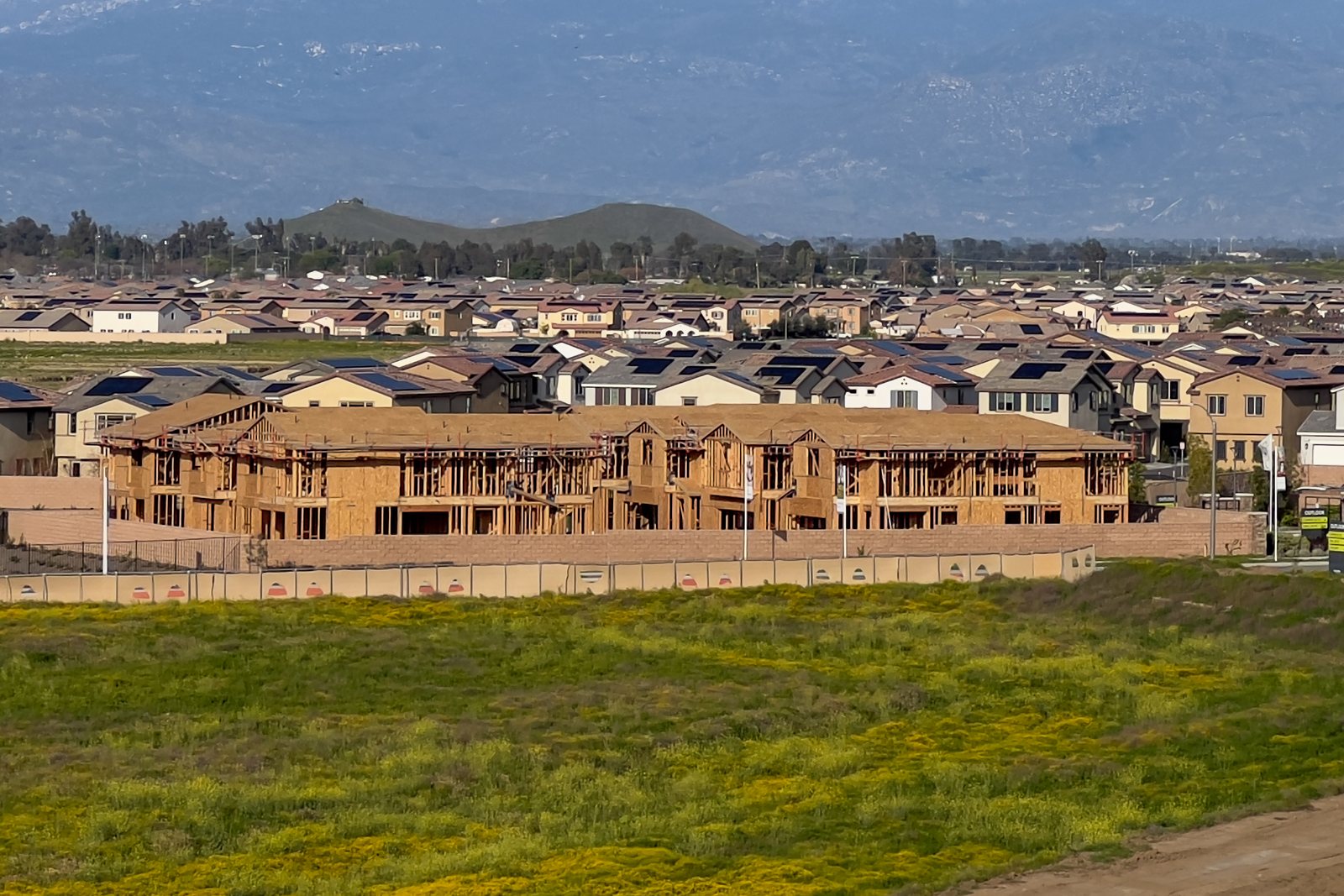
A custom home built in this part of California ten years ago heated its water, its rooms and its cooktop with gas, and the electrical service carried lights, plugs, the air conditioning and the pool. A home designed today under the California Energy Code, Title 24 Part 6, is pushed hard toward heat pumps for space and water heating, induction in the kitchen, and ready circuits for electric vehicles; several cities in the region have gone further with their own reach codes. Whether or not an owner wants an all-electric house, the code and the equipment market are moving the loads from the gas meter to the electrical panel, and the panel has to be sized for a house that will finish electrifying over the next twenty years even if it starts with a gas range.
For a residential microgrid this changes everything downstream. A heat pump that is the only heat in the house is a critical load in January. An induction cooktop that is the only way to cook is a critical load every day. Two Level 2 chargers are the largest circuits on the property. A backup design that was sized for a gas house, with the furnace on a small blower circuit and the water heater on no circuit at all, will not carry an electrified one. County Line runs the load calculation on the house as it will be, not as it is on the day of the site visit, and sizes the service entrance, the panel, the generator and the battery to that.
On new construction the answer is a larger service than the house seems to need, specified at the drawing stage. A 400 amp service on a large custom home is now ordinary, with the conduit for a second panel, the chargers and the battery run during rough-in while the cost is trench and pipe rather than demolition. On an existing house the answer is often a service upgrade before anything else, which involves the utility, a permit, a planned outage and sometimes the meter location. County Line tells owners that first, because a residential microgrid built on a service that is already at its limit is a system that trips the main the first time the heat pump and the charger run together.
The equipment itself can help. Heat-pump water heaters and modern heat pumps draw far less than resistance heat; load management in a smart panel keeps the chargers and the pool equipment from stacking on top of the heat pump; and the generator and battery only have to carry what the design says is critical. The point is not that electrification makes backup impossible. It is that electrification makes the electrical design the center of the house, which for a company whose work is electrical design is the whole opportunity.
None of this is a reason to tear out a working gas range or furnace, and County Line does not tell owners to. It is a reason to wire the house, during construction or a major remodel, for the loads that are coming, so that the next owner, or this one in ten years, is not opening walls to add a circuit that could have been a hundred dollars of conduit today.
Back to the overview: Residential Microgrid.
Questions
Does an all-electric house need a bigger electrical service?
Yes, usually. Heat pumps, induction cooking, heat-pump water heating and EV charging add loads that gas used to carry. On new custom homes County Line commonly specifies a 400 amp service with conduit for future circuits; on existing homes a service upgrade is often the first step before backup or chargers.
What does Title 24 require for electrical in a new house?
The California Energy Code, Title 24 Part 6, sets efficiency standards that push new homes toward heat pumps, electric-ready circuits and EV-ready wiring, with details that change by code cycle and by city reach codes. County Line designs to the current code and links to the California Energy Commission's own page rather than restating it.
Official references
Where the facts on this page come from.
County Line links to the authorities rather than restating them. Rules change; these pages are current.
- California Energy Commission, Building Energy Efficiency Standards: Title 24 Part 6, the current code
- CSLB license check: license #949580
The series
One question at a time.
One question at a time: each page in the residential microgrid series answers a single part of the design.
- Designed for the shutoffsThe outage is the design brief
- Generator and battery togetherWho carries what, and when
- Bidirectional EV chargingThe car as the battery
- Smart panels and load managementDeciding what stays on
- Solar inside the microgridWhy panels alone go dark
- Canyon and coast homesPropane, wells, gates, days
- Permits and the utilityInterconnection and inspection
- Keeping it readyA system that is never tested fails
- When it is too muchThe honest page
Next step
Tell us what has to stay on.
Tell us what has to stay on when the grid is off: the well, the gate, the kitchen, the chargers, with your name, phone and city. Jeff walks the panel and the yard, then the design conversation starts.
Or call (805) 499-0823. Monday to Friday, 9 to 5.